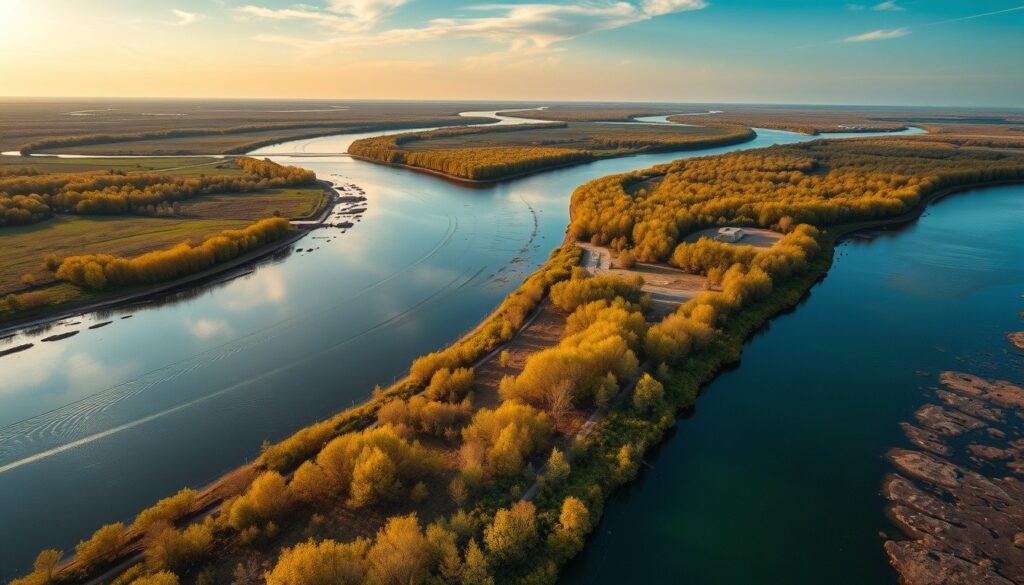
The Midwest’s Original Highways: Chart Your Course on Our Historic Waterways
As Editor-in-Chief of Chicago Life Magazine, I’ve often marveled at our city’s profound connection to water. From the iconic Chicago River snaking through downtown to the vast expanse of Lake Michigan, water is inextricably woven into the fabric of our identity. But what if I told you these aren’t just scenic backdrops, but living arteries, part of an ancient network of ‘Blue Highways’ that shaped our entire region?
Derived from the groundbreaking research in The Blue Highway: The Definitive Navigator’s Guide to America’s Historic Coastal & Inland Waterways, we’re peeling back the layers to reveal how Chicago and the Midwest sit at the nexus of some of the nation’s most historically significant and recreationally vibrant water routes. For outdoor enthusiasts, history buffs, and anyone seeking a deeper connection to our regional geography, these waterways offer an unparalleled journey.
The Midwest’s Aquatic Tapestry: Unveiling Our Blue Highways
Long before asphalt and iron rails, the rivers, lakes, and canals of the Midwest served as the vital lifelines for exploration, trade, and settlement. Indigenous peoples, fur traders, and early pioneers navigated these routes, laying the groundwork for the dynamic region we know today. Chicago, specifically, owes its very existence to a crucial portage between Lake Michigan and the Mississippi River system – the infamous Chicago Portage.
The concept of ‘Blue Highways’ transcends mere navigation; it’s about understanding the historical and ecological significance of these routes. Here in the Midwest, this includes:
- The Great Lakes System: An inland ocean connecting us to a vast network of ports, cities, and natural wonders.
- The Illinois Waterway: A modern marvel built upon ancient routes, linking Lake Michigan to the Mississippi River, fundamentally altering regional commerce and industry.
- Major Tributaries: Rivers like the Rock, Fox, Des Plaines, and Kankakee, which feed into larger systems and offer intimate, localized paddling experiences.
“The waterways of the Midwest are not merely paths of water; they are corridors of time, where every current whispers tales of exploration, commerce, and the enduring human spirit.”
Understanding these historical blueprints helps us appreciate the engineering feats – like the locks and dams of the Illinois Waterway – and the natural forces that continue to shape these aquatic landscapes. This knowledge enriches every paddle stroke, every fishing cast, and every scenic boat tour.
Plotting Your Course: A Navigator’s Toolkit for Midwestern Waters
Embarking on a Midwestern waterway adventure requires preparation. Whether you’re a seasoned boater or a novice kayaker, safety and informed navigation are paramount. The definitive research highlights several core protocols for a successful journey:
Chart Your Path: Essential Maps & Guides
Before setting out, consult up-to-date nautical charts (NOAA charts for the Great Lakes, USACE river charts for inland waterways) and local paddling guides. These provide crucial information on depths, aids to navigation (buoys, markers), hazards, and points of interest. Historical records from institutions like FRASER (Federal Reserve Archival System for Economic Research) can even offer fascinating insights into past commercial routes and their challenges.
Understanding the Flow: Currents, Locks & Dams
Midwestern rivers, especially after heavy rains, can have strong currents. Familiarize yourself with prevailing directions and speeds. For larger vessels, navigating the lock and dam system on the Illinois Waterway requires understanding proper procedures and etiquette. Always heed warnings and respect the lockmasters’ instructions.
Table: Basic Lock & Dam Etiquette
Action Description Approach Slowly Maintain safe distance from the dam; signal your intention to lock through. Follow Instructions Listen to lockmaster’s commands on where to tie up and when to enter/exit. Be Patient Commercial traffic often takes precedence. Patience ensures safety for all. Secure Vessel Use lines to hold your boat steady as water levels change within the lock chamber. Safety First: Gear & Awareness
Always wear a properly fitted life jacket. Carry essential safety gear: a whistle, signaling device, first-aid kit, and communication device. Be aware of weather changes, especially on large bodies of water like Lake Michigan, where conditions can shift rapidly.
Echoes of History: Journeying Through Time on Our Waterways
Our region’s ‘Blue Highways’ are more than just recreational paths; they are living museums. Paddling the serene stretches of the Illinois & Michigan Canal National Heritage Corridor, you can almost hear the echoes of mule teams pulling barges. Exploring the rivers that flow through areas managed by the USDA Forest Service, such as portions of the Shawnee National Forest, connects you to pristine natural landscapes that have seen millennia of human interaction.
- The I&M Canal: A marvel of 19th-century engineering, the I&M Canal connected the Great Lakes to the Mississippi via Chicago, transforming a small trading post into a bustling metropolis. Today, sections offer fantastic opportunities for kayaking, fishing, and hiking along historic towpaths.
- Lake Michigan’s Shoreline: Explore historic lighthouses, maritime museums, and the remnants of shipwrecks that tell tales of daring voyages and tragic losses.
- River Towns: Many towns along the Illinois River and its tributaries, like Lockport, Ottawa, and Peoria, developed because of their strategic positions on these waterways. Their histories are intrinsically linked to river commerce and transportation.
Guardians of the Current: Preserving Our Blue Legacy
As we enjoy these incredible resources, it’s crucial to act as responsible stewards. Adhere to ‘Leave No Trace’ principles, respect wildlife habitats, and support local conservation efforts. Organizations like the Friends of the Chicago River and the Great Lakes Alliance work tirelessly to protect and restore these vital ecosystems, ensuring they remain vibrant ‘Blue Highways’ for generations to come.
By embarking on these aquatic adventures, we not only discover the stunning natural beauty and recreational opportunities of the Midwest but also connect deeply with the historical currents that have shaped our very existence. So, dust off your kayak, ready your boat, and chart your own course on the Midwest’s definitive blue highways.
Deepen Your Waterway Exploration!
Inspired to navigate America’s historic waters? Delve deeper into the rich history and practical guidance with the full hardcover edition: The Blue Highway: The Definitive Navigator’s Guide to America’s Historic Coastal & Inland Waterways. Unlock secrets of navigation, discover hidden gems, and plan your ultimate adventure. For hands-on learning, explore the companion masterclass on TodaysCourse.com and become a true blue highway navigator!
Deepen Your Mastery: The Complete Reference Suite
This research is derived from the definitive edition of The Blue Highway: The Definitive Navigator’s Guide to America’s Historic Coastal & Inland Waterways, published by Mestizo Media Group and available for $19.99 on the DC Life Gallery Store and major booksellers.
To access the accompanying 5-module video masterclass, student field worksheets, and soil chemistry blueprints, enroll in the companion course on TodaysCourse Academy.
Curated Literature & Chicago Downtown Calendar
The Architecture of Focus: Deep Work & Modern Mastery
By Founders Library Press
A structured framework for strategic clarity, productivity, and authentic execution.
Upcoming Downtown Happenings
Live acoustic sessions, gallery receptions, literary salons, and independent trade shows across Chicago.