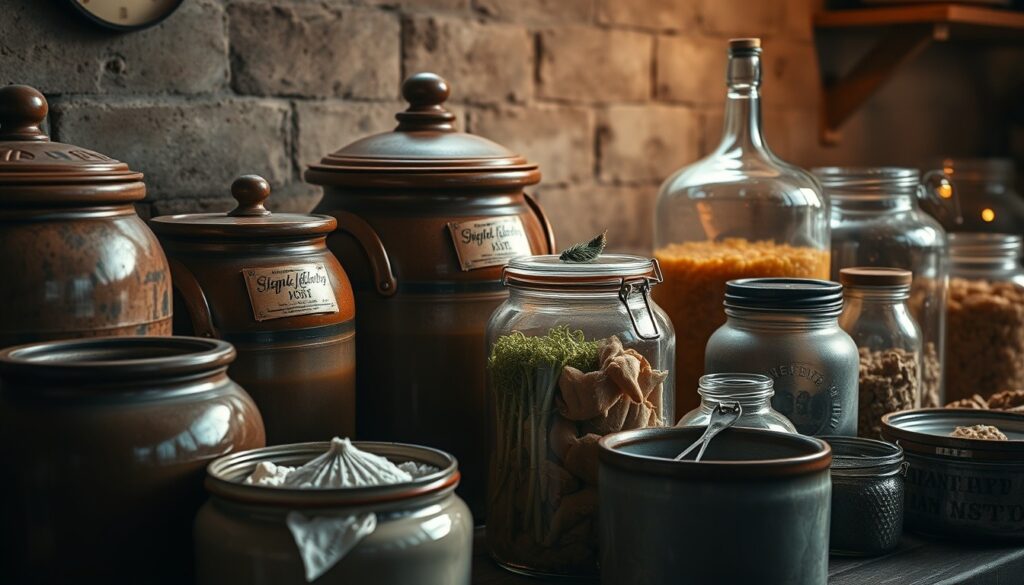
The Wild Taste of Home: Chicago’s Revival of Heritage Fermentation
Chicago, a city built on grit, innovation, and a rich tapestry of cultures, is experiencing a quiet, yet profound, culinary renaissance. Beyond the Michelin-starred restaurants and trendy food halls, a movement is bubbling in kitchens across the city and throughout the Midwest: the revival of heritage fermentation. Drawing deeply from the authoritative research of The Master Fermenter: Heritage American Kitchen Chemistry, Wild Fermentation, & Culinary Microbiology, we uncover how ancient practices of food preservation are transforming our relationship with flavor, health, and local history.
Our unique Midwestern microclimate, with its diverse growing seasons and fertile soils, has long been a cradle for agricultural abundance. From the bountiful harvests of Illinois corn and Wisconsin cabbage to the robust livestock of the plains, our region’s produce and dairy are ripe for transformation. Historically, immigrant communities—Polish, German, Scandinavian, and countless others—brought with them a deep knowledge of fermentation, turning summer gluts into winter provisions and creating distinct flavors that became staples of our culinary identity. This isn’t just about preserving food; it’s about preserving culture, taste, and the very essence of our ancestors’ ingenuity.
The spirit of this immigrant foodways heritage, meticulously documented in archives and homesteads, is now guiding a new generation of home cooks. As we delve into the core protocols of heritage fermentation, remember that you’re not just following a recipe; you’re participating in a living tradition, connecting with the land, and unleashing the incredible power of unseen microbial allies.
1. The Prairie’s Pantry: Mastering Ancestral Brine & Vegetable Ferments
Picture the turn of the century: families in Chicago and rural Illinois, faced with mountains of cucumbers and cabbages, didn’t have refrigeration. Instead, they had crocks, salt, and time. This is the foundation of lacto-fermentation, where beneficial bacteria convert sugars into lactic acid, preserving vegetables while enhancing their nutritional value and creating complex, tangy flavors. It’s a cornerstone of the USDA’s historical recommendations for home food preservation.
Actionable Advice for Midwest Brining:
- Choose Local & Fresh: Opt for organic, in-season vegetables from your local farmer’s market. Harder vegetables like cabbage, carrots, and beets are excellent starters.
- Brine Ratios are Key: For most vegetables, a 2-2.5% salt solution is ideal. This means 20-25 grams of non-iodized salt per liter of filtered water. For dry-salting (e.g., sauerkraut), use 2 tablespoons of salt per 5 pounds of shredded cabbage.
- Cleanliness, Not Sterility: While meticulous cleaning of your equipment (crocks, jars, weights) is crucial to prevent undesirable molds, avoid harsh chemical sterilizers that can kill beneficial microbes. Hot, soapy water followed by a good rinse is usually sufficient.
- Submerge & Seal: Ensure vegetables remain fully submerged under the brine to prevent mold. Use fermentation weights or a clean plate with a jar of water on top. An airlock lid is ideal, but a simple tight-fitting lid (burped daily) works too.
(Refer to ‘Basic Brine Ratios for Common Vegetables’ diagram in The Master Fermenter for precise measurements and ideal fermentation temperatures for Midwest produce.)
2. The Living Loaf: Sourdough Culture from Grain to Hearth
The scent of freshly baked sourdough bread is more than just aroma; it’s a connection to centuries of baking tradition. Before commercial yeast, every loaf of bread across the Midwest relied on wild yeasts and bacteria captured in a sourdough starter. These starters, often passed down through generations, were living heirlooms, embodying the unique microbial fingerprint of their origin—be it a pioneer’s kitchen or a bustling Chicago bakery of the 1890s. The economic history of household food production vividly illustrates the necessity and value of such self-sufficiency.
Actionable Advice for Nurturing Your Midwest Starter:
- Initiating Your Culture: Combine equal parts (e.g., 50g) whole wheat or rye flour (rich in wild microbes) with 50g filtered water in a clean jar. Cover loosely and leave at room temperature (ideally 70-78°F / 21-25°C).
- The Daily Feed: For the first 5-7 days, discard all but 50g of your starter, then feed it with 50g flour and 50g water. You’ll start seeing bubbles, smelling a tangy aroma, and observing rise and fall.
- The Flour Choice: Using local Midwestern flours—perhaps from a mill in Wisconsin or Illinois—can introduce unique local microbial strains, giving your sourdough a distinct regional character.
- Maintaining Your Starter: Once active, you can feed it every 12-24 hours at room temperature, or once a week if stored in the refrigerator (bring to room temp and feed a few times before baking).
(Consult the ‘Sourdough Starter Feeding Schedule’ table in The Master Fermenter for troubleshooting and advanced techniques for various flours.)
3. Beyond the Jar: Wild Fermented Beverages & Dairy Traditions
Fermentation isn’t limited to solid foods. The Midwest also boasts a rich history of fermented beverages and dairy products, from hearty kvass made with rye bread to refreshing lacto-fermented sodas, and even farmhouse cheeses or kefir. These traditions were often born out of necessity—to preserve milk or make water potable—but evolved into cherished culinary expressions that offer a spectrum of probiotics and unique flavors.
Actionable Advice for Cultivating Liquid Gold:
- Basic Kvass: Toast stale rye bread, soak in warm water, add a bit of sugar and active sourdough starter or a pinch of yeast, and ferment for 1-3 days. Flavor with mint or dried fruit.
- Lacto-Sodas: Combine fruit juice (e.g., grape, apple), a pinch of sea salt, and a tablespoon of whey (from yogurt) or a small piece of ginger bug. Ferment in a tightly sealed bottle for 2-5 days, ‘burping’ daily, until fizzy.
- DIY Kefir: Obtain kefir grains (available online or from a friend). Place grains in whole milk (cow, goat, or sheep) at a ratio of about 1 tablespoon grains to 1 cup milk. Ferment at room temperature for 12-24 hours until thickened and tangy. Strain the grains and repeat.
- Flavor Infusion: Experiment with local herbs, spices, and fruits from your garden or local market to create truly regional fermented beverages. Elderberries, wild mint, and even maple sap can offer distinct Midwest notes.
(The ‘Fermented Beverage Flavor Combinations’ chart in The Master Fermenter offers dozens of inspired pairings and historic recipes.)
Embracing heritage fermentation is more than just a culinary trend; it’s a reconnection to our roots, a celebration of microbial life, and a delicious way to enhance health and flavor in your Chicago home. As you begin your journey, remember the wisdom of generations past: good food takes time, patience, and a healthy dose of microbial magic. Happy fermenting!
Deepen Your Mastery: The Complete Reference Suite
This research is derived from the definitive edition of The Master Fermenter: Heritage American Kitchen Chemistry, Wild Fermentation, & Culinary Microbiology, published by Mestizo Media Group and available for $19.99 on the DC Life Gallery Store and major booksellers.
To access the accompanying 5-module video masterclass, student field worksheets, and soil chemistry blueprints, enroll in the companion course on TodaysCourse Academy.
Curated Literature & Chicago Downtown Calendar
The Architecture of Focus: Deep Work & Modern Mastery
By Founders Library Press
A structured framework for strategic clarity, productivity, and authentic execution.
Upcoming Downtown Happenings
Live acoustic sessions, gallery receptions, literary salons, and independent trade shows across Chicago.