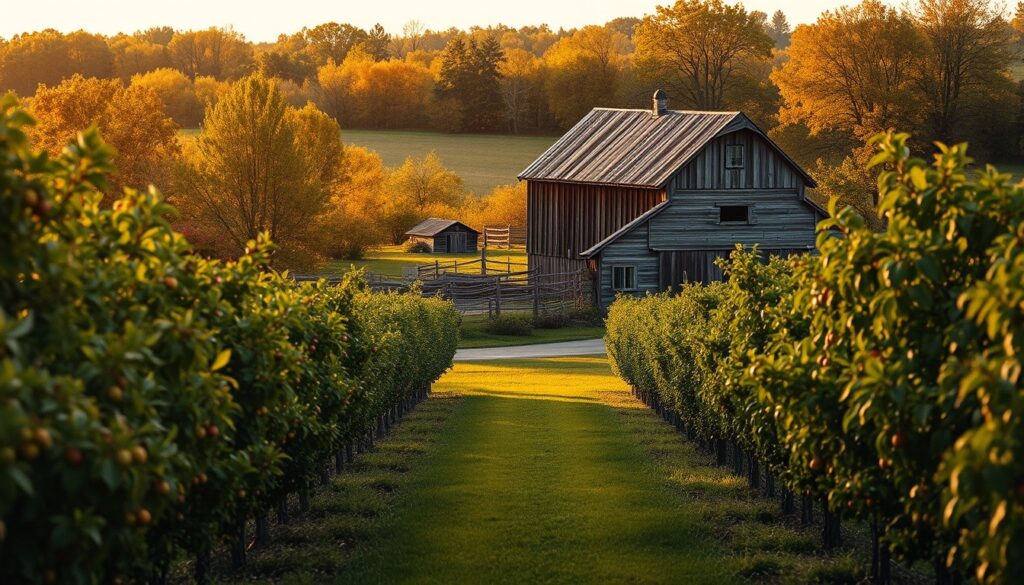
Here at Chicago Life Magazine, we’re always looking for ways to connect our vibrant city and the expansive Midwest to its rich, often overlooked, heritage. This month, we delve into a profound rediscovery: the principles of the lost American farmstead. Drawing from the authoritative new research in The Lost American Farmstead: The Definitive Guide to Heritage Orchards, Soil Alchemy, & Self-Sustaining Agriculture, we uncover how these time-honored practices aren’t just for sprawling rural properties but can be beautifully adapted to our urban lots, suburban yards, and regional homesteads, transforming them into bastions of biodiversity and self-reliance.
Rooted in the Heartland: A Midwest Imperative
Chicago and the greater Midwest, with its fertile prairie soils and distinct four-season climate, holds a unique place in America’s agricultural history. From the indigenous Potawatomi and Miami who cultivated this land sustainably for millennia, to the European settlers who established vast orchards and farms, our region has always been about growing. Yet, much of this wisdom has been paved over or forgotten in the pursuit of monoculture and convenience. The federal government, through agencies like the USDA, continues to document the invaluable genetic diversity of our agricultural past, emphasizing the urgency of reclaiming these lost legacies.
Our microclimate, influenced by Lake Michigan, offers a unique opportunity. While winters can be harsh, the lake moderates temperatures, extending growing seasons for certain fruit varieties. Historic estates like the Morton Arboretum, and even the sprawling grounds of early Illinois pioneers, provide a living testament to what thrived here. Imagine transforming your own backyard into a living heritage, a small, self-sustaining ecosystem that harks back to a simpler, more abundant time.
1. Reclaiming the Orchard: Heritage Varieties for the Midwest
The core of the lost farmstead is the heritage orchard. Unlike modern, genetically uniform fruit trees, heritage varieties are diverse, resilient, and packed with unparalleled flavor. They are often naturally disease-resistant and adapted to specific regional conditions, making them ideal for a low-input, sustainable garden. For Chicago and Midwest gardeners, selecting the right varieties is paramount due to our USDA Plant Hardiness Zones (primarily 5a-6a). The guide emphasizes:
- Biodiversity & Resilience: Planting a mix of heritage apples, pears, cherries, and plums ensures resilience against pests and diseases, fostering a robust ecosystem.
- Regional Adaptation: Seek out varieties known to thrive in our climate. Think ‘Duchess of Oldenburg’ or ‘Wealthy’ apples, which tolerate cold, or ‘Bartlett’ pears, a Midwest favorite for generations. Many state agricultural extensions, often supported by the USDA’s agricultural research, provide lists of historically successful varieties.
- Historical Blueprint: Early settlers often planted fruit trees that could withstand severe winters and produce reliably for generations. Look for nurseries specializing in rare or antique fruit trees, often offering scion wood for grafting onto hardy rootstock.
Midwest Heritage Orchard Starters:
- Apples: ‘Honeygold’ (cold hardy, crisp), ‘Prairie Spy’ (excellent keeping), ‘Wolf River’ (large, baking).
- Pears: ‘Kieffer’ (disease resistant), ‘Seckel’ (small, sweet).
- Cherries: ‘Montmorency’ (sour, excellent for pies), ‘North Star’ (dwarf, cold hardy).
- Plums: ‘Green Gage’ (sweet, rich flavor), ‘Superior’ (large, red).
2. Soil Alchemy: Beyond Gardening, Into Life
The secret to a thriving farmstead, as revealed in the research, lies beneath our feet: the soil. True soil alchemy is not just about adding fertilizer; it’s about nurturing a living, breathing ecosystem. This means moving beyond conventional tilling that disrupts delicate soil structures and microbial networks.
- Composting & Humus Building: Start with robust composting. Incorporate kitchen scraps, yard waste, and even local manure. Humus-rich soil retains moisture, provides slow-release nutrients, and fosters beneficial fungi and bacteria.
- Cover Cropping & No-Till: Plant cover crops like clover, vetch, or rye in fallow areas. They protect the soil from erosion, suppress weeds, and add organic matter when tilled in (or crimped down in a no-till system). Embracing no-till gardening significantly improves soil health, a practice observed in many historical farming methods before industrialization.
- Mineral Balancing: Have your soil tested. Addressing mineral deficiencies or excesses organically (e.g., adding rock dusts for trace minerals) empowers plants to access the full spectrum of nutrients they need for robust growth and pest resistance.
Historically, farmers understood the cyclical nature of soil. The FRASER archive, a valuable resource from the Federal Reserve, offers glimpses into historical agricultural practices and the importance of soil fertility in early American economies, often detailing how soil degradation impacted community prosperity.
3. Water Wisdom: Designing for Abundance
Self-sustaining agriculture is inherently water-wise. The goal is to capture, store, and utilize every drop of rainfall effectively. This involves thoughtful design and implementation, especially critical in urban and suburban settings where runoff can be an issue.
- Rain Gardens & Swales: Create depressed areas or channels planted with water-loving native plants to capture and filter stormwater runoff, recharging groundwater and reducing strain on municipal systems.
- Passive Irrigation: Design your landscape to direct water to your fruit trees and garden beds naturally. Contour planting on slopes or creating berms and swales can significantly reduce the need for supplemental irrigation.
- Mulching: A thick layer of wood chips or straw around your trees and plants suppresses weeds and drastically reduces water evaporation, a simple yet powerful technique for water conservation. The National Park Service emphasizes similar principles in its land management for natural areas.
4. Integrated Pest Management & Biodiversity Boost
Chemical pesticides are antithetical to the self-sustaining farmstead. Instead, we embrace ecological intelligence, fostering a balanced environment where natural predators and healthy plants keep pests in check.
- Companion Planting: Strategically plant herbs and flowers alongside your fruit trees. Marigolds deter nematodes, nasturtiums can act as a trap crop, and dill attracts beneficial insects like ladybugs and predatory wasps.
- Beneficial Insect Habitats: Create habitats for pollinators and pest predators. Incorporate diverse flowering plants, provide bee hotels, and leave small areas undisturbed for overwintering insects.
- Crop Rotation & Sanitation: While primarily for annuals, understanding crop rotation principles can inform orchard understory management. Regularly remove diseased plant material to prevent the spread of pathogens.
Unlock the Full Blueprint!
This is just a glimpse into the profound knowledge awaiting you. For the complete, in-depth protocols, historical blueprints, and comprehensive diagrams to truly transform your landscape, secure your hardcover copy of The Lost American Farmstead: The Definitive Guide to Heritage Orchards, Soil Alchemy, & Self-Sustaining Agriculture today! Dive even deeper with the companion masterclass on TodaysCourse, where you’ll gain hands-on insights and personalized guidance from leading experts.
Your Midwest Oasis Awaits
The dream of a self-sustaining home, rich with the bounty of heritage orchards and vibrant soil, is not a distant fantasy. It’s a return to foundational principles, perfectly adaptable to our modern lives in Chicago and across the Midwest. By embracing heritage orchard farming, understanding the alchemy of our soil, managing water wisely, and fostering biodiversity, you’re not just growing food; you’re cultivating resilience, connection, and a legacy for generations to come. It’s an act of defiance against the unsustainable, and a powerful embrace of abundance. Start your journey today – your piece of the lost American farmstead is waiting to be rediscovered right in your own backyard.
Deepen Your Mastery: The Complete Reference Suite
This research is derived from the definitive edition of The Lost American Farmstead: The Definitive Guide to Heritage Orchards, Soil Alchemy, & Self-Sustaining Agriculture, published by Mestizo Media Group and available for $19.99 on the DC Life Gallery Store and major booksellers.
To access the accompanying 5-module video masterclass, student field worksheets, and soil chemistry blueprints, enroll in the companion course on TodaysCourse Academy.
Curated Literature & Chicago Downtown Calendar
The Architecture of Focus: Deep Work & Modern Mastery
By Founders Library Press
A structured framework for strategic clarity, productivity, and authentic execution.
Upcoming Downtown Happenings
Live acoustic sessions, gallery receptions, literary salons, and independent trade shows across Chicago.